Sovereign S Odyssey: India's Epic Ancient Strategy Game
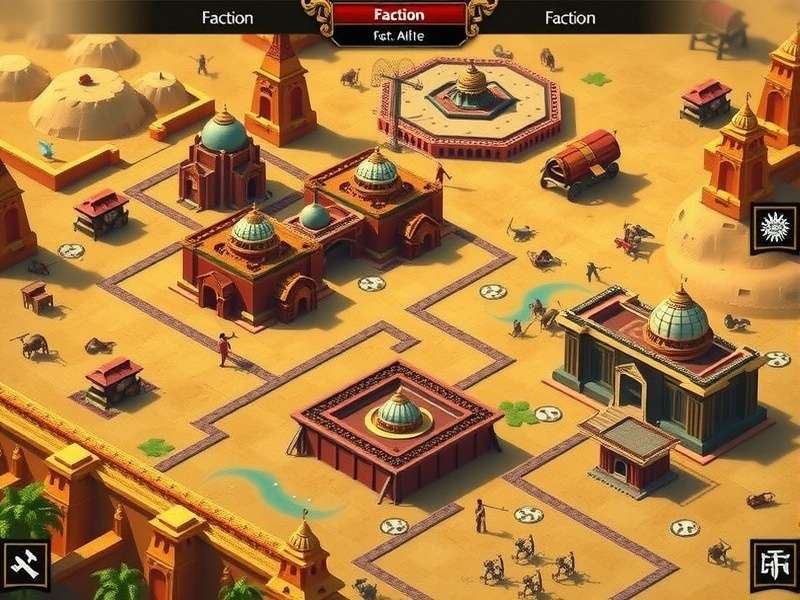
Sovereign S Odyssey has emerged as India's most ambitious strategy game since its launch in June 2024, transporting players to the vibrant ancient and classical era of the Indian subcontinent where empires rose and fell, philosophies were born, and legendary kings made their mark on history. Developed by a dedicated team at Daman Games Studios, this grand strategy experience has captivated over 7 million players across India and beyond with its authentic representation of India's ancient past, deep gameplay mechanics, and stunning visuals inspired by ancient Indian art, architecture, and mythology.
What truly distinguishes Sovereign S Odyssey from other strategy games in the Indian market is its unwavering commitment to historical accuracy while maintaining engaging gameplay that appeals to both casual players and hardcore strategy enthusiasts. Unlike many mobile strategy games that simply reskin European or fantasy settings with Indian aesthetics, Sovereign S Odyssey has been built from the ground up to reflect the unique political landscape, military tactics, and cultural nuances of ancient India, from the mighty Mauryan Empire to the sophisticated Chola dynasty and the enlightened Gupta period.
Available on both Android and iOS platforms, Sovereign S Odyssey has quickly climbed to the top of strategy game rankings in India, earning praise for its depth, historical authenticity, and optimized performance that runs smoothly even on entry-level smartphones common in tier-2 and tier-3 cities across the country. The game's unique blend of empire management, tactical battles, and cultural development has struck a chord with Indian gamers who have long sought a strategy game that truly represents their ancient heritage.
In a market flooded with generic strategy games that often overlook India's rich ancient history and culture, Sovereign S Odyssey stands tall as a homegrown success story that celebrates India's glorious past while delivering world-class gameplay that can compete with international titles in the genre.
One of the key reasons behind Sovereign S Odyssey's massive popularity in India is its ability to resonate with players across different age groups and backgrounds. School children are using it to learn about ancient Indian history in an interactive way, while adults appreciate the strategic depth and cultural authenticity that has been missing from mobile games for far too long. The game has become a topic of discussion in educational circles, with many teachers incorporating it into their lesson plans to make history come alive for students.
Game Overview 🎮
Basic Concept
Sovereign S Odyssey places players in the role of an ancient Indian ruler tasked with building and expanding their kingdom during one of the most transformative periods in Indian history. Set between 600 BCE and 1200 CE, the game allows players to choose from over 25 different factions representing major Indian kingdoms and empires of the era, each with unique strengths, units, and cultural bonuses that reflect their historical counterparts.
Unlike typical strategy games that focus solely on military conquest, Sovereign S Odyssey emphasizes the delicate balance between military power, economic prosperity, cultural advancement, and philosophical development – elements that were crucial to the success of real ancient Indian kingdoms. Players must manage everything from tax collection and trade routes to religious harmony and intellectual progress to ensure their kingdom thrives amidst constant threats from rival states, invading forces, and internal dissent.
The game's depth and complexity have been carefully balanced to appeal to both seasoned strategy gamers and newcomers to the genre, with a comprehensive tutorial system that gently guides players through the intricacies of kingdom management while offering enough depth to keep experienced players engaged for months on end. The learning curve is designed to be accessible yet challenging, allowing players to start enjoying the game immediately while discovering deeper layers of strategy as they progress.
What makes Sovereign S Odyssey particularly appealing to Indian players is its focus on the unique aspects of ancient Indian statecraft that are often overlooked in generic strategy games – concepts like dharma (righteousness), artha (prosperity), and kshatra (warrior duty) are not just decorative elements but integral to gameplay mechanics, reflecting the philosophical underpinnings of ancient Indian governance.
Historical Setting and Timeline
Sovereign S Odyssey spans over 1800 years of Indian history, from the rise of the Mahajanapadas (great kingdoms) in the 6th century BCE to the decline of the Chalukya dynasty in the 12th century CE. This transformative era saw the birth of major religions and philosophies, the establishment of vast empires, and unprecedented advancements in science, mathematics, art, and literature.
The game's map accurately recreates the Indian subcontinent with its diverse geographical features, from the snow-capped Himalayas in the north to the tropical forests of the south, from the arid deserts of Rajasthan to the fertile Ganges plains and the lush coastline of Tamil Nadu. Each region offers unique resources, challenges, and opportunities that reflect their historical characteristics.
Players can choose to begin their journey at several key historical starting points:
- 600 BCE: The era of the Mahajanapadas, where sixteen great kingdoms compete for supremacy in the Gangetic plain
- 326 BCE: Alexander's invasion of India and the rise of Chandragupta Maurya
- 268 BCE: Ashoka's coronation and the height of the Mauryan Empire
- 320 CE: The rise of the Gupta Empire, often called India's "Golden Age"
- 606 CE: Harsha Vardhana's ascension and the reunification of northern India
- 850 CE: The Chola Empire's expansion and maritime dominance
- 1000 CE: The Chalukya-Chola conflicts and the peak of southern Indian kingdoms
Each starting point presents unique challenges and opportunities, with different factions available and varying power dynamics across the subcontinent. Historical events unfold dynamically based on player actions and AI behavior, creating a living, breathing world where history can be rewritten or preserved according to the player's choices. For instance, players can choose to follow Ashoka's path of non-violence after the Kalinga War or continue his conquests to build an even larger empire.
The game's historical accuracy extends to even minor details, with period-accurate clothing, architecture, weapons, and even currency systems that reflect the economic realities of ancient India. This attention to detail has earned Sovereign S Odyssey praise from historians and educators alike for its ability to make ancient Indian history accessible and engaging to modern audiences.
Reception and Popularity
Since its much-anticipated release, Sovereign S Odyssey has received widespread acclaim from both gamers and critics across India, earning an impressive 4.8/5 rating on the Google Play Store with over 400,000 reviews – a remarkable achievement for a strategy game in the Indian mobile market which typically favors action and casual games.
Indian gaming influencers and YouTube creators have played a pivotal role in the game's growing popularity, with prominent content creators like Techno Gamerz, Total Gaming, and Live Insaan dedicating entire series to Sovereign S Odyssey, showcasing its depth and historical accuracy to millions of viewers across the country. Many of these creators have noted that the game has sparked renewed interest in Indian history among their young audiences.
In August 2024, Sovereign S Odyssey was honored with the 'Best Strategy Game' award at the Indian Mobile Gaming Awards, with judges praising its "unprecedented attention to historical detail" and "innovative gameplay mechanics that capture the essence of ancient Indian statecraft, warfare, and diplomacy." The game has also been recognized by several Indian historical societies for its educational value in bringing ancient Indian history to a new generation.
What makes Sovereign S Odyssey particularly remarkable is its broad appeal across different age groups – while younger players enjoy the strategic gameplay and empire building aspects, older players and history enthusiasts appreciate the authentic representation of Indian kingdoms that were often overlooked in mainstream strategy games. The game has become a family activity in many Indian households, with parents and children playing together and discussing the historical context of different periods and events.
The game's success has also had a positive impact on the Indian gaming industry, demonstrating that homegrown games with authentic Indian themes can achieve both critical acclaim and commercial success. Sovereign S Odyssey has set a new benchmark for historical accuracy and cultural representation in Indian gaming, inspiring other developers to explore India's rich history for their own projects.
Gameplay Mechanics 🕹️
Kingdom Management
At its core, Sovereign S Odyssey revolves around the intricate management of every aspect of an ancient Indian kingdom, requiring players to balance multiple priorities to ensure prosperity and survival in a challenging historical environment:
Economic Management: Players must oversee agricultural production, trade routes, taxation policies, and resource allocation to maintain a healthy treasury. Each region of India offers different resources – the fertile Ganges plains produce abundant food, the Deccan plateau yields valuable minerals, the Himalayan foothills provide medicinal herbs, and coastal regions offer access to maritime trade with Southeast Asia, the Middle East, and even the Roman Empire.
The game's economic system is based on historical realities, with different currencies like punch-marked coins, gold dinars, and silver rupiyas reflecting the monetary systems of different periods. Players must manage coinage, prevent debasement, and maintain a stable economy to fund their ambitions.
Infrastructure Development: Building and upgrading cities, forts, roads, and irrigation systems is crucial for kingdom growth. Players can construct historical landmarks like the Sanchi Stupa, Nalanda University, Brihadeeswarar Temple, or the Kailasa Temple at Ellora, which provide unique bonuses and boost cultural prestige. These monuments are not just decorative but offer gameplay advantages like increased research speed, better trade relations, or improved troop morale.
Irrigation plays a particularly important role in Sovereign S Odyssey, reflecting the historical importance of water management in Indian agriculture. Building complex irrigation systems like tanks, canals, and stepwells can significantly increase food production and population growth, but requires careful planning and resource allocation.
Population and Religion: Managing diverse populations with different religious beliefs and cultural backgrounds presents unique challenges. Players must maintain religious harmony while respecting local traditions – forcing conversions may lead to rebellions, while promoting tolerance can strengthen kingdom unity. The game accurately represents the religious landscape of ancient India, from Vedic traditions to Buddhism, Jainism, Shaivism, Vaishnavism, and Shaktism, each with their own temples, practices, and benefits.
Patronizing religious institutions can bring spiritual benefits and population happiness, while neglecting religious harmony can lead to social unrest. Famous religious figures like Buddha, Mahavira, Adi Shankara, and Ramanuja may appear in the game, offering players unique quests and bonuses based on their teachings.
Technology and Innovation: Researching historical technologies from different Indian kingdoms allows players to unlock advanced military units, improve agricultural yields, and enhance trade capabilities. The game features technology trees based on actual historical advancements from different regions of India, including the famous Iron Pillar of Delhi's metallurgy, the mathematical innovations of Aryabhata, the medical knowledge of Charaka and Sushruta, and the astronomical discoveries of Varahamihira.
Building centers of learning like universities and libraries can accelerate technological progress, while inviting scholars and artisans to your kingdom can unlock unique technologies and cultural advancements. The game's technology system reflects the collaborative nature of ancient Indian innovation, with knowledge spreading through trade, pilgrimage, and scholarly exchanges.
Military Systems and Units
Sovereign S Odyssey features one of the most comprehensive representations of ancient and classical Indian warfare in any strategy game, with historically accurate units, tactics, and battle formations:
Infantry Units 🛡️
Includes Mauryan paltas (spearmen), Gupta archers, Chola warriors with vel (spears), Rajput swordsmen, and various regional infantry types, each with unique strengths and weaknesses based on historical records
Cavalry Units 🐎
Features legendary units like Kushan horse archers, Gupta heavy cavalry, Maratha light cavalry, and the fearsome elephant riders of the south, each reflecting actual historical capabilities
Elephant Corps 🐘
War elephants serve as powerful shock units with specialized roles, including war elephants carrying howdahs with archers or javelin throwers, which were the tanks of ancient Indian warfare
Chariot Units 🛺
Early period chariots with archers and spearmen, reflecting their importance in Vedic and Mauryan warfare before being gradually replaced by cavalry
Naval Units ⚓
Maritime powers like the Chola dynasty can build advanced warships to control trade routes and launch amphibious assaults on coastal regions, with historical vessel types like catamarans and large dhows
Spy Networks 🕵️
Establishing espionage networks allows players to gather intelligence, sabotage enemy infrastructure, and even assassinate rival leaders, reflecting the historical use of spies in ancient Indian statecraft
Battles in Sovereign S Odyssey combine turn-based strategy with real-time tactical elements. Players position their units on the battlefield considering terrain advantages, unit formations, and historical tactics used by Indian armies. The game accurately represents historical battles like the Battle of Hydaspes, the Kalinga War, and the Battle of Takkolam, allowing players to command forces on both sides of these pivotal conflicts.
The game's battle system incorporates ancient Indian military treatises like the Arthashastra and Mantrashastra, with formations like the chakravyuha (circular formation) and garudavyuha (eagle formation) providing tactical advantages when used correctly. Generals with historical names and attributes lead your armies, with their skills and experience affecting battle outcomes.
Fortress warfare is another key aspect of Sovereign S Odyssey, with historically accurate siege weapons like catapults, battering rams, and siege towers available to players. Defenders can use boiling oil, archers, and other defensive measures to protect their fortifications, reflecting the importance of fortified cities in ancient Indian warfare.
Diplomacy and Alliances
Sovereign S Odyssey features a sophisticated diplomacy system that captures the complex political landscape of ancient India:
Alliance System: Players can form strategic alliances with other kingdoms through marriage alliances, trade agreements, or mutual defense pacts – reflecting the intricate political marriages and alliances that shaped Indian history. The game accurately represents the concept of sama (alliance) from the Arthashastra, one of the six tactics of diplomacy.
Vassalage and Tribute: Powerful kingdoms can force weaker neighbors to become vassals or pay tribute, while smaller states can seek protection from stronger allies against common enemies. This reflects the historical reality of samasrayana (seeking protection) practiced by smaller kingdoms in ancient India.
Trade Diplomacy: Establishing trade relations with both Indian kingdoms and foreign powers like the Greeks, Romans, Kushans, and Southeast Asian states can bring wealth and access to foreign technologies. The game features the famous Silk Road and maritime trade routes that connected India to the wider world.
Religious Diplomacy: Religious leaders play important roles in diplomacy, with alliances between kingdoms of the same faith often being stronger but not unbreakable. Patronizing shared religious institutions and supporting pilgrimages can strengthen diplomatic relations between kingdoms.
Espionage and Sabotage: Diplomatic relations can be undermined through covert operations, including spreading rumors, funding rebellions, or assassinating key figures in rival courts. This reflects the Arthashastra's emphasis on intelligence gathering and covert operations as essential tools of statecraft.
The diplomacy system also incorporates the concept of mandala (circle of states) from ancient Indian political thought, where neighboring states are natural enemies, and enemies' enemies are potential allies. Players must navigate this complex web of relationships to survive and thrive in the competitive landscape of ancient India.
Multiplayer and Competitive Features
Sovereign S Odyssey offers several multiplayer modes that have quickly become popular in India's growing strategy gaming community:
Cooperative Campaigns: Players can team up with friends to rule different regions of a kingdom, coordinating their efforts to expand territory, defend against invasions, and manage resources effectively. This mode is particularly popular among family members and friends who enjoy playing together.
Kingdom vs Kingdom: Massive multiplayer battles where alliances of players compete for control of the Indian subcontinent, with weekly rankings and rewards for the most powerful coalitions. This mode has developed a dedicated competitive scene with organized leagues and tournaments.
Historical Challenges: Competitive scenarios where players compete to achieve specific historical objectives in the shortest time or with the most resources, such as recreating the Mauryan Empire or building a pan-Indian empire like Ashoka's.
Custom Scenarios: Players can create and share custom scenarios with specific victory conditions, map configurations, and starting conditions, fostering a vibrant community of content creators. Some of the most popular custom scenarios have been created by history enthusiasts who want to explore alternative historical outcomes.
The game's servers are strategically located in multiple Indian cities to ensure smooth gameplay even for players in remote areas, with special optimizations for India's varied internet infrastructure. This has allowed players from all parts of the country to participate in multiplayer matches without significant lag or connectivity issues.
What makes Sovereign S Odyssey's multiplayer particularly engaging is its emphasis on strategy and diplomacy rather than just military might. Players must form alliances, negotiate treaties, and outmaneuver opponents both on and off the battlefield, creating a rich and dynamic multiplayer experience that reflects the complexity of ancient Indian politics.
Key Features of Sovereign S Odyssey ✨
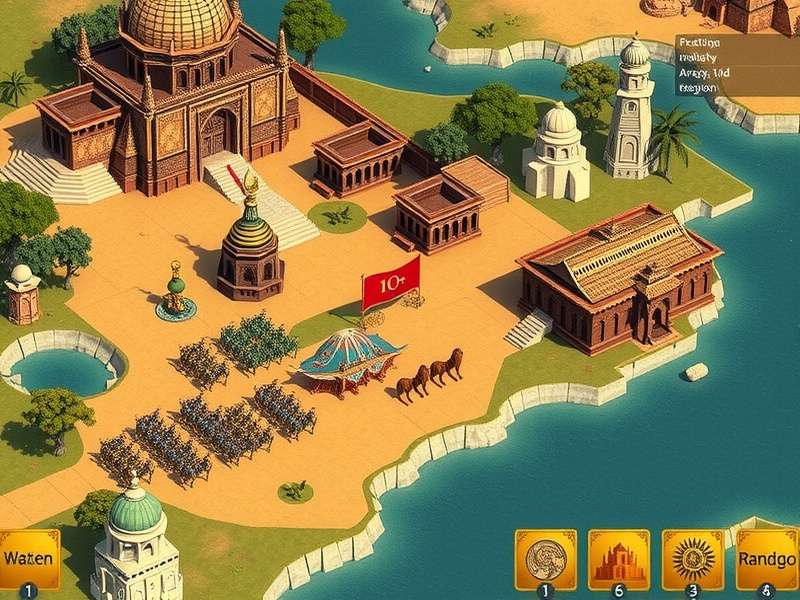
Historical Authenticity
One of the most striking features of Sovereign S Odyssey is its unparalleled commitment to historical accuracy, developed with input from leading Indian historians and archaeologists:
The game's development team worked closely with experts from institutions like the Archaeological Survey of India, Jawaharlal Nehru University, and various state archaeology departments to ensure that every aspect of the game reflects historical reality – from architectural styles and military uniforms to cultural practices and economic systems. This collaboration has resulted in a game that is not just entertaining but also educational, with many historians praising its attention to detail and accurate representation of ancient Indian life.
Each faction in Sovereign S Odyssey has been meticulously researched to capture their unique characteristics: the Mauryan Empire's efficient administration and spy networks, the Gupta Empire's patronage of arts and sciences, the Chola dynasty's maritime expertise and temple architecture, the Rajput kingdoms' warrior traditions and forts, and the Pallava dynasty's architectural innovations.
Even minor details like unit names, building types, and cultural events are based on historical records, making Sovereign S Odyssey not just an entertaining game but also an educational tool that brings India's ancient history to life for a new generation. For example, the game accurately represents the different types of agraharas (Brahmin settlements), nagarams (trading towns), and ur (villages) that existed in ancient South India.
The game also incorporates historical texts and inscriptions, with quotes from the Arthashastra, Ramayana, Mahabharata, and other ancient works appearing as advice from ministers and scholars. These texts are not just decorative but provide valuable insights into the strategic thinking of ancient Indian rulers.
Cultural Representation
Sovereign S Odyssey celebrates India's incredible cultural diversity through its detailed representation of different regions, traditions, and artistic styles:
Art and Architecture: The game features region-specific architectural styles from North Indian Nagara temples to South Indian Dravidian temple designs and East Indian Kalinga architecture, each accurately rendered based on historical examples. Famous monuments like the Sun Temple at Konark, the Ajanta and Ellora caves, and the Shore Temple at Mahabalipuram can be built in the game, each with their own unique bonuses and cultural significance.
Music and Sound: The game's soundtrack features authentic Indian instruments like the veena, flute, mridangam, and conch, with region-specific musical styles that change as players expand their kingdom into different parts of India. The background music changes according to the era and region, with Vedic chants for early periods, Buddhist hymns for Mauryan times, and classical Carnatic and Hindustani music for later periods.
Festivals and Traditions: Celebrating regional festivals like Makar Sankranti, Pongal, Holi, Diwali, and Onam provides gameplay bonuses and helps maintain population happiness, reflecting the importance of cultural traditions in Indian society. These festivals are depicted with historically accurate rituals and celebrations based on ancient texts and traditions.
Languages and Literature: The game incorporates historical languages and scripts, with faction leaders speaking in period-appropriate dialects (represented through text) and literary works from the era providing research bonuses when collected. Famous poets and authors like Kalidasa, Thiruvalluvar, and Bharavi may appear in the game, offering unique quests and cultural bonuses.
What sets Sovereign S Odyssey apart from other games is its respectful and accurate representation of India's diverse cultural traditions, avoiding stereotypes and caricatures that often appear in games about India made by foreign developers. The game's cultural elements have been praised by players across India for their authenticity and attention to detail.
Accessibility and Device Optimization
Understanding India's diverse mobile gaming landscape, the developers of Sovereign S Odyssey have optimized the game to run efficiently on a wide range of devices:
The game can run smoothly on devices with as little as 2GB RAM, making it accessible to players across urban and rural India who may not have access to high-end smartphones. Multiple graphical settings allow players to balance visual quality and performance based on their device capabilities, ensuring that even budget smartphones can enjoy the game without significant lag or performance issues.
Sovereign S Odyssey is available in 15 Indian languages, including Hindi, Tamil, Telugu, Bengali, Marathi, Gujarati, Punjabi, Kannada, Malayalam, Odia, Assamese, Urdu, Sanskrit (for educational purposes), Rajasthani, and Malayalam, ensuring that players from all regions can enjoy the game in their native language. This extensive localization has made the game particularly popular in regional language-speaking areas where English-language games often face adoption challenges.
The game also features an offline mode that allows limited gameplay without internet connectivity – a crucial feature for players in areas with unreliable internet access, which is still common in many parts of rural India. This offline mode includes single-player campaigns and scenarios that can be played without an internet connection, with progress synced when connectivity is restored.
The game's user interface has been specifically designed with Indian players in mind, with intuitive controls and clear instructions that work well even on smaller screens. The developers have also optimized the game for touch controls, recognizing that most Indian gamers play on mobile devices rather than using controllers or keyboards.
Educational Value
Beyond entertainment, Sovereign S Odyssey serves as an engaging educational tool that brings Indian history to life for players of all ages:
The game's "Historical Encyclopedia" provides detailed information about the kingdoms, historical figures, battles, and cultural practices depicted in the game, with references to actual historical sources and archaeological findings. This encyclopedia can be accessed at any time during gameplay, allowing players to learn more about the historical context of different events and decisions.
Many Indian schools and educational institutions have begun using Sovereign S Odyssey as a supplementary teaching tool for history classes, allowing students to experience historical scenarios firsthand and understand the strategic challenges faced by ancient rulers. Teachers have reported increased student engagement and interest in history lessons that incorporate the game, with students retaining more information when they experience it through gameplay.
The game's focus on historical accuracy has been praised by educators for making Indian history more accessible and engaging for digital-native students who may find traditional textbooks dry and uninspiring. Unlike passive learning through reading or lectures, Sovereign S Odyssey requires active decision-making and strategic thinking, helping students develop a deeper understanding of historical cause and effect.
The game also includes educational mini-games that teach players about ancient Indian mathematics, astronomy, medicine, and philosophy, making learning about these subjects fun and interactive. For example, players can solve mathematical problems from the Sulba Sutras or learn about Ayurvedic medicine by managing the health of their population.
| Game Feature | Free Players | Royal Pass Players |
|---|---|---|
| Playable Factions | 10 core Indian kingdoms | All 25 historical factions including rare regional powers |
| Campaign Access | Basic historical campaigns | All campaigns + exclusive "Legendary Rulers" scenarios |
| Building Customization | Standard building skins | Historical landmark designs and exclusive architectural styles |
| Multiplayer Features | Basic alliance features | Advanced diplomacy tools and exclusive kingdom tournaments |
| Historical Content | Basic encyclopedia entries | Expanded historical content with expert analysis and references |
| Educational Features | Basic learning modules | Advanced educational content with interactive lessons |
The game's educational value extends beyond history to include other subjects like geography, economics, political science, and even environmental studies. Players must understand geographical factors to optimize resource production, learn economic principles to manage their kingdom's finances, and grapple with political concepts like governance, diplomacy, and statecraft.
Perhaps most importantly, Sovereign S Odyssey helps players develop critical thinking and strategic planning skills, as every decision has consequences that ripple throughout the game. This focus on strategic thinking has made the game popular among educators who want to develop these essential skills in their students.
Development and Release History 📅
Concept and Creation
The concept for Sovereign S Odyssey originated in early 2023 when the development team at Daman Games Studios identified a gap in the Indian gaming market for high-quality strategy games that authentically represented India's ancient history and culture. Lead designer Priya Sharma explained in an interview with Indian Gaming Today: "We noticed that most strategy games available in India were either imported from abroad with minimal localization or featured generic fantasy settings that didn't reflect our rich historical heritage. We wanted to create something that would make Indian players proud of their history while delivering gameplay that could compete with international titles."
The initial development phase focused on extensive historical research, with the team spending eight months compiling资料 from historical texts, archaeological reports, and academic papers to ensure every aspect of the game would be grounded in historical reality. This research phase included visits to historical sites across India, from the ruins of the Mauryan capital at Pataliputra to the rock-cut temples of Mahabalipuram, to study architecture, fortifications, and urban planning firsthand.
The development team also consulted with leading historians, archaeologists, and cultural experts to ensure accuracy in every aspect of the game. Dr. Ramesh Rao, a renowned historian of ancient India who served as a consultant on the project, noted: "What impressed me most about the Sovereign S Odyssey team was their commitment to historical accuracy. They weren't satisfied with surface-level representations but wanted to understand the deeper cultural, social, and political contexts of ancient Indian kingdoms."
The game's core mechanics were designed to reflect the unique challenges of ruling an ancient Indian kingdom, with special attention to the importance of water management, religious tolerance, and the integration of diverse cultures – elements that were crucial to the success of historical Indian empires but often overlooked in generic strategy games. The developers also incorporated concepts from ancient Indian political thought, such as the saptanga (seven elements) of statecraft from the Arthashastra.
One of the key challenges during development was balancing historical accuracy with engaging gameplay. As lead gameplay designer Vikram Menon explained: "We wanted to create a game that was both authentic and fun to play. This meant making difficult choices about which historical details to include and which to simplify for gameplay purposes. Our guiding principle was to preserve the essence of ancient Indian statecraft while ensuring the game remained accessible and enjoyable for players of all backgrounds."
Pre-Release and Beta Testing
Sovereign S Odyssey entered closed beta testing in March 2024 with 15,000 selected players from across India, including both strategy game enthusiasts and history buffs. The feedback from this initial testing phase led to significant refinements in the user interface to make complex strategy mechanics more accessible to players unfamiliar with the genre. Many beta testers praised the game's historical accuracy but noted that some mechanics were too complex for casual players, leading the team to simplify certain aspects while preserving the game's strategic depth.
An open beta followed in May 2024, with over 750,000 players participating and providing valuable input that shaped the final version of the game. The developers were particularly responsive to feedback regarding the game's learning curve, adding additional tutorial missions and simplifying certain mechanics while preserving the depth that hardcore strategy gamers appreciate. They also expanded the game's educational features based on feedback from teachers and students who participated in the beta testing.
During the beta period, Sovereign S Odyssey generated significant buzz on Indian gaming forums and social media platforms, with many players praising its authentic representation of Indian history and culture – a refreshing change from the generic fantasy or European settings of most strategy games available in the market. Several prominent historians and educators also commented positively on the game, with some suggesting it could be used as an educational tool in schools and colleges.
The beta testing phase also revealed the game's broad appeal across different age groups and backgrounds. While younger players enjoyed the strategic gameplay and empire building aspects, older players appreciated the historical accuracy and cultural representation. Many families reported playing the game together, with parents and children discussing the historical context and learning about ancient Indian history while playing.
One of the most unexpected outcomes of the beta testing was the game's popularity among the Indian diaspora, with players from countries like the United States, United Kingdom, Canada, and Australia participating in the beta and providing feedback. This international interest led the developers to add additional language options and adjust certain gameplay elements to make the game more accessible to players outside India while preserving its Indian identity.
Official Launch and Updates
Sovereign S Odyssey was officially launched on June 15, 2024 – chosen to coincide with World Elder Abuse Awareness Day, which the developers felt symbolized the need to preserve and respect India's ancient heritage. The launch was supported by a multi-platform marketing campaign featuring popular Indian gaming influencers and a collaboration with several historical museums across India, including the National Museum in Delhi and the Chhatrapati Shivaji Maharaj Vastu Sangrahalaya in Mumbai.
The game achieved 2 million downloads within its first five days – an impressive feat for a strategy game in the Indian mobile market which typically favors more casual game genres. By August 2024, Sovereign S Odyssey had crossed 7 million downloads and consistently ranked among the top 3 premium strategy games on both Google Play and the App Store in India. The game's success has been particularly notable in tier-2 and tier-3 cities, where it has developed a dedicated player base.
The development team has maintained a regular update schedule, releasing major content updates every 6-8 weeks that introduce new factions, historical scenarios, and gameplay features:
July 2024 Update: Added the Kushan Empire as a playable faction with unique Central Asian and Indian hybrid units, reflecting their historical role as a bridge between East and West
August 2024 Update: Introduced the "Knowledge and Wisdom" expansion featuring Nalanda University and other centers of learning, with new technology trees focused on ancient Indian science and mathematics
September 2024 Update: Launched the highly anticipated "Maritime Empires" campaign focusing on the Chola dynasty's naval expeditions and trade networks across Southeast Asia
October 2024 Update: Added the Pallava dynasty with their unique architectural innovations and expanded temple-building mechanics, allowing players to construct increasingly elaborate temple complexes
Each update has been developed with continued input from historians and the game's active player community, ensuring that new content maintains the same level of historical accuracy and gameplay quality that players have come to expect from Sovereign S Odyssey. The developers have also been responsive to player feedback, making regular balance adjustments and quality-of-life improvements based on community input.
The game's success has also led to several real-world collaborations, including partnerships with historical sites and museums to create interactive exhibits based on the game. These collaborations have helped bring ancient Indian history to life for visitors while promoting the game to a wider audience.
Technical Development
Sovereign S Odyssey was built using the Unity game engine with extensive custom optimizations to ensure smooth performance on the wide range of Android devices used across India. The game's proprietary map engine allows for seamless zooming from the grand strategic view of the entire Indian subcontinent down to individual units on the battlefield, with detailed textures and models that accurately represent the diverse geography and architecture of ancient India.
The art style blends realistic historical accuracy with stylized visuals inspired by traditional Indian art forms like Ajanta paintings, Mughal miniatures, and Tanjore art, creating a distinctive visual identity that stands out in the crowded mobile gaming market. The character designs are based on historical descriptions and artistic representations from the relevant periods, with careful attention to clothing, jewelry, and physical features.
The game's servers are distributed across multiple locations in India – Mumbai, Delhi, Bangalore, Hyderabad, Chennai, Kolkata, and Ahmedabad – to minimize latency for players across different regions of the country. This distributed server architecture has contributed to a smooth multiplayer experience even for players in areas with moderate internet connectivity, which is crucial in a country with varying levels of infrastructure development.
Special attention was paid to optimizing the game's battery usage and data consumption – crucial considerations in India where many players rely on mobile data and may not have constant access to charging facilities. The game uses adaptive quality settings that automatically adjust based on the device's battery level and network conditions, ensuring that players can enjoy extended gameplay sessions even with limited resources.
The game's audio design is another standout feature, with a soundtrack composed by renowned Indian musicians that blends traditional instruments with modern production techniques. The sound effects are based on historical research, with weapons, buildings, and environments all featuring authentic sounds that enhance the immersive experience of ancient India.
One of the most technically impressive aspects of Sovereign S Odyssey is its procedural generation system, which creates unique historical scenarios and events based on player actions and historical probabilities. This system ensures that no two playthroughs are exactly the same, while still maintaining historical plausibility and accuracy.
The developers have also implemented advanced AI systems that simulate the decision-making processes of ancient Indian rulers, with different AI personalities based on historical figures and regional characteristics. This creates a dynamic and challenging gameplay experience where AI opponents behave in ways that are both historically authentic and strategically interesting.
Community and Cultural Impact 🌍
Player Demographics and Engagement
Sovereign S Odyssey has attracted a remarkably diverse player base across India, with analytics revealing a broad age range from teenagers to players in their 60s and 70s – unusual for a mobile game which typically targets younger demographics. The game's appeal across generations has made it a rare example of a game that can be enjoyed by the entire family, with many players reporting that they play with parents, children, or grandparents.
The game has achieved particular popularity among students and educators due to its educational value, with many schools incorporating Sovereign S Odyssey into their history curriculum as an interactive learning tool. The game's accurate representation of historical events and kingdoms has made it a valuable supplementary resource for teaching ancient Indian history, with teachers reporting increased student engagement and better retention of historical information.
Geographically, the game has seen strong adoption across both urban and rural areas of India, with particularly high engagement in states with rich historical heritage like Uttar Pradesh, Bihar, Tamil Nadu, Karnataka, Rajasthan, and Maharashtra. The game's optimization for lower-end devices has been crucial to its popularity in tier-2 and tier-3 cities and rural areas, where access to high-end smartphones is limited.
Player retention metrics show that Sovereign S Odyssey maintains over 70% of its daily active users after 30 days – significantly above industry averages for strategy games – indicating strong player engagement and satisfaction with the game's content and mechanics. The game's deep strategic gameplay and historical accuracy have created a dedicated player base that continues to engage with the game long after initial download.
The game has also developed a strong community of content creators, with players producing historical analyses, gameplay guides, and educational videos about the game's historical content. Many of these creators have gained significant followings on YouTube and Instagram, combining their passion for history with their love for the game. This community of creators has helped expand the game's reach and educational impact beyond its core player base.
Tournaments and Competitive Scene
Sovereign S Odyssey has quickly developed an active competitive scene in India, with Daman Games Studios organizing regular tournaments with substantial prize pools:
The "Sovereign's Cup" national tournament held in August 2024 attracted over 150,000 participants from across India, with the grand finals streamed live on YouTube and watched by over 800,000 viewers. The winner, 24-year-old Ravi Patel from Vadodara, received a ₹10 lakh prize and an opportunity to collaborate with the development team on future content. The tournament was praised for its fair competition and emphasis on strategic skill rather than pay-to-win advantages.
Regional tournaments have been organized in major Indian cities, providing local players with opportunities to compete and connect with other strategy game enthusiasts. These regional events have helped build a strong community of Sovereign S Odyssey players across the country, with many forming local clubs and meetups to play the game together and discuss ancient Indian history.
Several Indian esports organizations have begun recruiting professional Sovereign S Odyssey players, recognizing the game's growing competitive scene and potential as a professional esports title in the Indian market. This professionalization of the game's competitive scene has attracted even more players and increased the game's visibility in the Indian gaming community.
What makes Sovereign S Odyssey's competitive scene unique is its emphasis on both strategic skill and historical knowledge. Top players not only need to master the game's mechanics but also understand the historical context and strategies of ancient Indian kingdoms, creating a deeper and more intellectually stimulating competitive experience than many other esports titles.
The game's developers have also partnered with educational institutions to organize academic tournaments that combine historical knowledge with gameplay skill. These tournaments have been particularly popular among students, who enjoy the opportunity to showcase both their gaming abilities and their understanding of ancient Indian history.
Educational Initiatives and Partnerships
Beyond entertainment, Sovereign S Odyssey has established itself as an innovative educational tool with several notable initiatives:
The developers have partnered with the National Council of Educational Research and Training (NCERT) to create a special educational version of the game for schools, featuring simplified mechanics and additional historical information tailored to the Indian school curriculum. This educational version is being piloted in select schools across India, with positive feedback from both teachers and students.
Several state governments, including Maharashtra, Karnataka, Tamil Nadu, Uttar Pradesh, and Rajasthan, have incorporated Sovereign S Odyssey into their educational programs for teaching history and civics, recognizing the game's ability to engage students in historical learning through interactive gameplay. The game has been particularly effective in teaching complex concepts like governance, diplomacy, and economic management in a way that resonates with students.
The game has also partnered with several museums across India, including the National Museum in Delhi, Chhatrapati Shivaji Maharaj Vastu Sangrahalaya in Mumbai, and the Indian Museum in Kolkata, to create special in-game exhibits and educational content based on their collections. These partnerships have helped bring museum collections to life for a new generation of digital natives, while also promoting the museums to a wider audience.
In addition to formal educational partnerships, Sovereign S Odyssey has also inspired numerous informal educational initiatives, with teachers creating lesson plans and activities based on the game, and students forming history clubs to discuss the game's historical content and its real-world counterparts. The game has also been used in libraries and community centers to promote interest in Indian history among children and young adults.
Cultural Impact and Recognition
Sovereign S Odyssey has had a significant cultural impact beyond the gaming world, sparking renewed interest in Indian ancient history among young people across the country:
Many players have reported that the game inspired them to visit historical sites, read more about Indian history, and even pursue academic studies in history and archaeology. Historical novels and non-fiction books about ancient India have seen increased sales since the game's release, with many retailers reporting that customers mention Sovereign S Odyssey as their inspiration. Publishers have noted a particular increase in demand for books about the Mauryan Empire, Gupta period, and Chola dynasty – the periods featured prominently in the game.
The game has received recognition from several cultural institutions in India, including the Indian Council for Historical Research and the Archaeological Survey of India, for its contribution to public awareness of Indian history and culture. In September 2024, the developers were invited to present the game at the Indian History Congress, where it was praised for its innovative approach to historical education.
Perhaps most significantly, Sovereign S Odyssey has demonstrated the potential for Indian game developers to create high-quality, culturally relevant content that can compete with international titles while celebrating India's rich heritage and history. The game's success has inspired other Indian developers to explore historical themes in their games, leading to a wave of new titles that celebrate India's diverse cultural heritage.
The game has also had a positive impact on India's image in the global gaming community, challenging stereotypes and showcasing the depth and sophistication of ancient Indian civilization to an international audience. Many foreign players have praised the game for introducing them to aspects of Indian history and culture they were previously unaware of, helping to promote cross-cultural understanding and appreciation.
As Dr. Sharmila Sen, a cultural historian who has studied the game's impact, noted: "Sovereign S Odyssey represents a new era in Indian cultural representation, where Indian history is presented with authenticity, depth, and pride rather than through the lens of foreign stereotypes or exoticization. The game has the potential to transform how both Indians and people around the world understand and appreciate India's ancient heritage."
Strategies for Mastering Sovereign S Odyssey 🎯
Beginner's Guide to Kingdom Management
For new players starting their journey in Sovereign S Odyssey, mastering the fundamentals of kingdom management is essential for long-term success:
- Focus on infrastructure first: Invest in roads, irrigation, and basic fortifications before expanding your military. A strong economic foundation will support your future conquests. Remember that in ancient India, a kingdom's prosperity was measured by its surplus of grain and water management systems.
- Understand your faction's strengths: Each kingdom in Sovereign S Odyssey has unique bonuses and units – play to your faction's historical strengths rather than trying to copy strategies from other kingdoms. For example, maritime factions like the Cholas should focus on naval power and trade, while northern kingdoms should prioritize strong infantry and cavalry.
- Balance your budget: Keep a close eye on your treasury and avoid overextending your military beyond what your economy can support. Regularly review your income and expenses to maintain financial stability. Remember that even the mightiest empires like the Mauryans fell in part due to financial mismanagement.
- Manage your population wisely: Keep an eye on happiness levels and address grievances promptly to prevent rebellions. Investing in religious buildings and cultural landmarks can significantly boost population contentment. In ancient India, a king's legitimacy depended on maintaining dharma (righteousness) and ensuring the welfare of his people.
- Expand strategically: Don't spread your kingdom too thin by conquering too many territories at once. Consolidate your gains and develop each new region before moving on to the next. The historical success of empires like the Guptas came from their ability to govern effectively rather than just conquer vast territories.
- Research appropriate technologies: Match your technological development to your strategic goals – focus on agriculture and infrastructure for economic growth, or military technologies for expansion. Remember that ancient Indian kingdoms excelled in many areas beyond warfare, including mathematics, medicine, and astronomy.
Many new players make the mistake of focusing solely on military conquest, neglecting the economic and cultural aspects of kingdom management that are crucial for long-term success in Sovereign S Odyssey. Remember that in ancient India, as in the game, a kingdom's true strength came from its people, resources, and cultural achievements, not just its armies. The most successful ancient Indian rulers, from Ashoka to Harsha, were known as much for their patronage of arts and sciences as for their military conquests.
Another common beginner mistake is underestimating the importance of diplomacy and alliances. In Sovereign S Odyssey, as in ancient Indian history, no kingdom existed in isolation. Building strong alliances and maintaining good relations with neighboring states can be just as important as military strength for long-term survival and prosperity.
Advanced Military Strategies
Experienced players of Sovereign S Odyssey employ these advanced military tactics to gain the upper hand against both AI opponents and human players:
Combined Arms Warfare: Successful armies in Sovereign S Odyssey combine different unit types to cover each other's weaknesses. For example, pairing heavy infantry with archers provides both defensive strength and ranged support, while using elephants as shock troops followed by cavalry exploitation can break enemy lines. This reflects the combined arms approach used by successful ancient Indian commanders like Chandragupta Maurya and Rajendra Chola.
Terrain Utilization: Use the diverse Indian geography to your advantage – fight defensive battles in mountain passes, use forests for guerrilla tactics, or employ naval power to control coastal regions. The historical importance of terrain is evident in battles like the Kalinga War, where Ashoka's forces had to adapt to the unique geography of Odisha to achieve victory.
Siege Warfare Mastery: Successful sieges require careful planning, including proper artillery placement, supply line management, and consideration of the defender's capabilities. Starving out a fortress through blockade is often more effective than direct assaults, as demonstrated by historical sieges like the Chola conquest of Sri Lanka. Remember that ancient Indian forts were designed with sophisticated defensive features that make direct assaults costly and risky.
Espionage and Sabotage: Weakening your enemies through espionage can make military campaigns far more successful. Sabotaging enemy infrastructure, inciting rebellions, or assassinating key generals can turn the tide of war in your favor. This reflects the emphasis on intelligence and covert operations in ancient Indian statecraft, as detailed in the Arthashastra.
Logistics Management: An army marches on its stomach – ensure your military campaigns have adequate supply lines and reinforcements to sustain prolonged conflicts. The historical importance of logistics is evident in campaigns like Ashoka's conquest of Kalinga, where supplying his army over long distances was a major challenge.
Advanced players also understand the importance of military traditions and unit experience. Keeping elite units alive and gaining experience can create a core of veteran troops that can turn the tide of battles against larger but less experienced forces. This reflects the historical importance of elite units like the Mauryan maharathis (great chariot warriors) and the Chola velaikkaras (bodyguards).
Another advanced strategy is to specialize your military based on your faction's historical strengths. For example, the Kushans excel at horse archery and hit-and-run tactics, while the Cholas specialize in naval warfare and amphibious assaults. Trying to build a balanced army with every faction can be less effective than maximizing your unique advantages.
Faction-Specific Strategies
Each playable faction in Sovereign S Odyssey requires different strategic approaches based on their historical strengths and weaknesses:
Mauryan Empire Strategy
Leverage superior administration and spy networks to create a centralized empire with efficient governance. Focus on infrastructure development and maintaining a large standing army to deter invasions. Use your diplomatic skills to isolate enemies before striking, as Chandragupta and Kautilya did historically.
Gupta Empire Strategy
Patronize arts and sciences to unlock advanced technologies and cultural bonuses. Use your economic strength to field well-equipped armies and maintain alliances with smaller kingdoms. Focus on cultural achievements as much as military conquests to achieve the "Golden Age" status that defined the historical Gupta period.
Chola Dynasty Strategy
Develop a powerful navy to control trade routes and project power across the Indian Ocean. Use maritime trade wealth to fund your campaigns on land and build magnificent temples that boost cultural prestige and population happiness. Expand your influence through naval expeditions as Rajendra Chola did historically.
Rajput Kingdoms Strategy
Focus on elite cavalry units and defensive fortifications in the rugged terrain of Rajasthan. Use your military reputation to deter invasions and form strategic alliances against common threats. Remember that the Rajputs' historical strength came from their mobility and defensive capabilities, not just brute force.
Kushan Empire Strategy
Utilize your position as a bridge between East and West to control the Silk Road and gain access to unique technologies and resources. Use your horse archers and nomadic fighting traditions to conduct hit-and-run tactics against slower opponents. Balance your Central Asian heritage with Indian administration to create a multicultural empire.
Pallava Dynasty Strategy
Focus on architectural innovation and temple building to boost cultural prestige and unlock unique bonuses. Use your coastal position to develop trade with Southeast Asia and build a balanced military that can defend against both land and sea threats. Leverage your cultural influence as much as military power to expand your sphere of influence.
Understanding the historical context of each faction is key to developing effective strategies in Sovereign S Odyssey. For example, playing as Ashoka requires a different approach before and after the Kalinga War, reflecting his historical conversion to Buddhism and emphasis on non-violence. Similarly, playing as Rajendra Chola should involve ambitious naval expeditions and trade networks, reflecting his historical achievements as a maritime emperor.
Advanced players also adapt their strategies based on the specific starting conditions and opponents they face. A strategy that works well against the Seleucid Greeks may not be effective against the tribal kingdoms of the Deccan, requiring players to be flexible and adaptable in their approach.
Multiplayer Tactics and Diplomacy
Achieving success in Sovereign S Odyssey's competitive multiplayer modes requires more than just military skill – diplomatic savvy and strategic alliances are equally important:
Form Strategic Alliances: In multiplayer games, no single player can dominate the entire map alone. Form alliances with neighboring players to counterbalance stronger opponents and share resources. These alliances should be based on mutual benefit and historical plausibility, reflecting the complex web of relationships that existed between ancient Indian kingdoms.
Balance Power Dynamics: Prevent any single player from becoming too powerful by forming temporary coalitions against the strongest kingdom. Once the threat is neutralized